
Somebody on your team fixed something last quarter. Maybe it was small, a workaround for a reporting headache that’s been annoying everyone for months. Maybe it was bigger, the kind of thing that took two people three months and a lot of trial and error. Either way, there’s a decent chance nobody outside that team ever heard about it.
That bugged us. So two years ago, we started the Innovation Hall of Fame.
The idea behind it
Everybody has ideas, sure. What’s harder is turning an idea into something useful: digging into a problem, building a solution. We wanted to celebrate the follow-through of the idea, the effort, and the impact of the project on the team and company as a whole.
That kind of follow-through is a big part of what Being a Problem Solver means at Red Dog Media. We value people who dig in, simplify where they can, and find a better way forward.
And “better” is important here, too. Be Better Than Yesterday is another one of our core values because we work in an industry where standing still isn’t much of an option. Sometimes getting better means developing a new skill. Sometimes it means challenging an old process, running an experiment, or finding a smarter way to do the work we’ve done a hundred times before.
The Innovation Hall of Fame recognizes the projects where those values turn into action.
There’s a line we keep coming back to, from Sarah Ban Breathnach: “The world needs dreamers, and the world needs doers; but above all, the world needs dreamers that do.” That’s basically the whole pitch for this program.
How it works, without the red tape
We tried to keep this simple because the last thing anyone needs is another process that takes longer than the innovation itself.
Teams talk through potential nominations during Quarterly Planning Sessions: what got built, fixed, or improved that quarter that moved the needle. If something rises to the top, it gets submitted to the Leadership Team. They review everything that comes in and select the winners, which are then announced at the State-of-the-Company Meeting the following month.
How we run the program says a lot about what we value.
For one, you don’t have to have worked on a project to nominate it. If someone on another team did something worth recognizing, anyone can bring it forward. It’s not a self-nomination system (although someone can if they want to), and it’s not limited to whoever’s loudest about their own work.
For another, we deliberately don’t frame this in terms of individual credit. Most of these projects involved several people, often in different roles or departments, and we’d rather tell the story of what changed for the company than sort out who deserves the biggest slice of recognition. So when a project wins, the write-up focuses on the impact and the problem it solved, what it took to build, and what’s different because of it.
And a project that doesn’t get picked one quarter isn’t entirely out of the running. Teams keep building on ideas and may bring them back around quarter after quarter. Recognition here isn’t a one-shot deal.
What innovation looks like
“Innovation” can sound like it has to mean inventing something enormous. Around here, it’s usually more practical than that.
It could be an A/B experiment that produced a winning result and ultimately made its way into production. It could be taking a complicated system and consolidating it into something simpler and more efficient. It could be building an automation that takes monotonous work off someone’s plate so they can spend that time solving more valuable problems.
The projects are different, but the instinct behind them is similar: There has to be a better way to do this.
Then somebody does the work to figure it out, which is the kind of problem-solving and continuous improvement we want to keep reinforcing.
Making the wins visible
We also wanted these projects to stick around after the announcement, so we built a home for them in our office: a dedicated Innovation Hall of Fame wall displaying the inducted projects. As new projects earn a spot, they’re added to the wall. Over time, it becomes a visible record of the problems our teammates have solved and the improvements they’ve made.
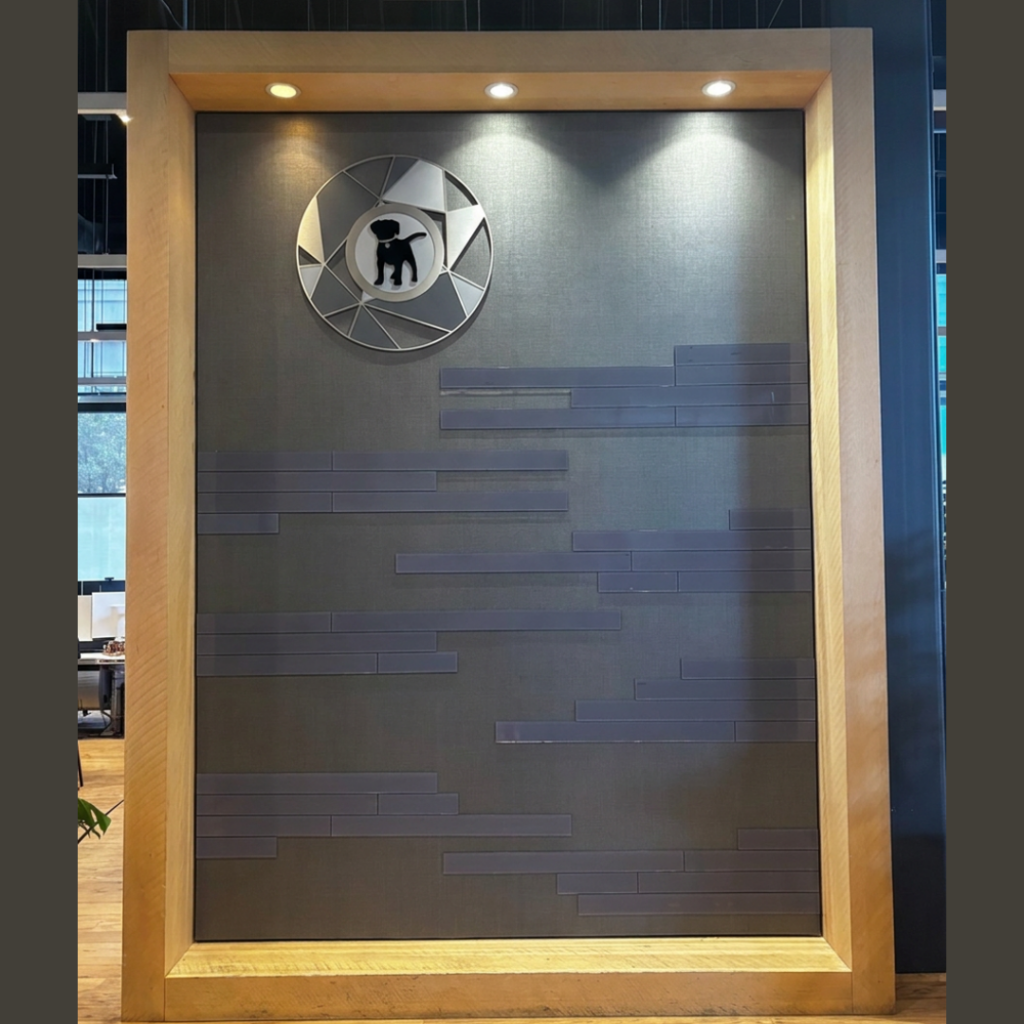
It’s easy to forget how much has changed when you’re focused on whatever problem is sitting in front of you today. The wall gives us a reason to look back. A system or process that feels normal now may exist because somebody questioned the old way, experimented with something different, and made it better.
We also maintain an archive with more in-depth documentation behind the projects, so teammates can go beyond the name on the wall and understand what was built, why it mattered, and what we learned from it.
Together, they give us both sides of the story: a visible reminder of the wins and a deeper record of the work behind them.
Why we bother with this
Two years in, here’s what we’ve learned: what you choose to recognize tells people what you care about. If we only ever celebrated the big, splashy launches, we’d basically be telling everyone that the quiet stuff doesn’t count. But it does. Some of the best entries in the Innovation Hall of Fame started with someone just getting fed up enough to fix something nobody had gotten around to.
We didn’t build this program because it looks good on a careers page. We build it because the people doing this work deserve to know it didn’t go unnoticed.
What’s stuck around after two years
Programs like this only work if people trust that the credit will be real, and that trust comes from doing it the same way, quarter after quarter, for two years. The best part is watching what people bring to the table every quarter. Every time Quarterly Planning Meetings roll around, there’s a buzz about what’s going to make the cut, what someone built, fixed, or pushed through that the rest of the company hasn’t heard about yet.
Then another project earns a place on the wall. Over time, those projects remind us of how we got better: somebody found a problem worth solving, did the work to make it better, and gave the rest of us something better to build on.